

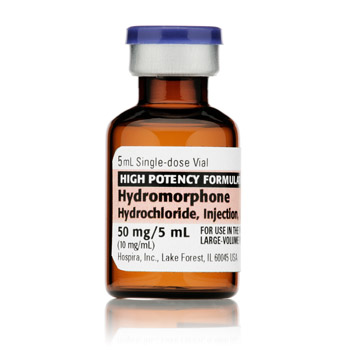

Ketamine Liquid Vail
Price range: £130.00 through £150.00
Ketamine 50mg/mL solution for injection is a dissociative anaesthetic used for surgical procedures and refractory pain management. A valid doctor’s prescription is mandatory, and administration requires specialist supervision in the EU.
| Quantity |
120 ML ,90 ML |
|---|
Buy Ketamine (Injection Solution) – Medical Information Overview (EU Context)
Product Overview
Ketamine is a prescription-only dissociative anaesthetic used in hospital and specialist clinical settings. It is available as an injectable solution (vial form) and is administered by trained healthcare professionals.
It acts as an NMDA (N-methyl-D-aspartate) receptor antagonist in the central nervous system, producing anaesthetic, analgesic, and dissociative effects. In modern medicine, ketamine is used for anaesthesia induction and, in some controlled settings, for treatment-resistant depression under specialist supervision.
In European clinical practice, ketamine is strictly controlled and reserved for use in monitored medical environments due to its potency and psychoactive effects.
Clinical Uses
Ketamine injection may be used for:
- Induction and maintenance of anaesthesia in surgical settings
- Procedural sedation and emergency medicine
- Pain management in hospital (including severe acute pain scenarios)
- Treatment-resistant depression (specialist psychiatric clinics, controlled dosing protocols)
- Paediatric and emergency anaesthesia in specific settings
It is not intended for unsupervised or non-medical use.
Mechanism of Action
Ketamine primarily works by blocking NMDA receptors, leading to:
- Reduced excitatory neurotransmission (glutamate activity)
- Dissociative anaesthesia (loss of sensory perception and awareness)
- Analgesic effects (pain relief)
- Modulation of mood-related neural pathways (in psychiatric use)
At sub-anaesthetic doses in controlled settings, ketamine may rapidly influence mood and depressive symptoms.
Safety Information and Warnings
Ketamine must only be administered by trained medical professionals.
Common and clinically relevant effects include:
- Dissociation or “out-of-body” sensations
- Elevated heart rate and blood pressure
- Drowsiness or sedation
- Confusion or disorientation during recovery
- Nausea and vomiting
- Temporary perceptual disturbances
More serious risks may include:
- Respiratory depression (especially with other sedatives)
- Emergence reactions (hallucinations, agitation during recovery)
- Increased intracranial or intraocular pressure in certain conditions
Continuous monitoring is required during administration.
Dependence and Misuse Potential
Ketamine has a known potential for psychological dependence, particularly with repeated non-medical exposure.
- Repeated use outside medical settings may lead to tolerance
- Psychological dependence may develop in some individuals
- Chronic misuse is associated with cognitive and urinary tract complications
In clinical use, dosing is tightly controlled to minimise these risks.
Drug Interactions
Ketamine may interact with:
- CNS depressants (e.g., benzodiazepines, opioids, alcohol) → increased sedation and respiratory risk
- Antihypertensive medications → additive blood pressure effects
- Other anaesthetic agents → enhanced sedation and respiratory effects
Medical supervision is required to manage interactions safely.
Contraindications and Precautions
Ketamine may not be suitable in:
- Conditions where significant cardiovascular stimulation is risky
- Uncontrolled hypertension
- Severe psychiatric instability without specialist oversight
- Situations without appropriate airway and monitoring support
Use requires careful clinical assessment and controlled environment.
Special Populations
- Elderly patients: may have increased sensitivity to cardiovascular and CNS effects
- Pregnancy: only used if clinically necessary in hospital settings
- Breastfeeding: requires medical evaluation based on dose and timing
Regulatory Note (EU Context)
Ketamine is a controlled prescription anaesthetic agent in Europe. Its use is restricted to hospitals and specialist clinics with trained personnel and monitoring equipment.
Conclusion
Ketamine is a hospital-use anaesthetic and dissociative agent used for surgery, emergency medicine, and in some specialist psychiatric treatments. It works as an NMDA receptor antagonist and must only be administered under strict medical supervision due to its potent central nervous system and cardiovascular effects.


MAECENAS IACULIS
Vestibulum curae torquent diam diam commodo parturient penatibus nunc dui adipiscing convallis bulum parturient suspendisse parturient a.Parturient in parturient scelerisque nibh lectus quam a natoque adipiscing a vestibulum hendrerit et pharetra fames nunc natoque dui.
ADIPISCING CONVALLIS BULUM
- Vestibulum penatibus nunc dui adipiscing convallis bulum parturient suspendisse.
- Abitur parturient praesent lectus quam a natoque adipiscing a vestibulum hendre.
- Diam parturient dictumst parturient scelerisque nibh lectus.
Scelerisque adipiscing bibendum sem vestibulum et in a a a purus lectus faucibus lobortis tincidunt purus lectus nisl class eros.Condimentum a et ullamcorper dictumst mus et tristique elementum nam inceptos hac parturient scelerisque vestibulum amet elit ut volutpat.
Related products
Hydromorphone
Kilocaine Powder

Morphine

Omnadren

PCP Powder

Trenbolone Acetate 10x100mg

Volkswagen Cocaine


Reviews
There are no reviews yet.