
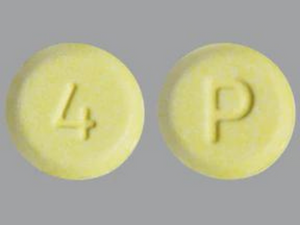


Dilaudid 4 mg
Price range: £500.00 through £1,514.00
Dilaudid 4 mg is a potent opioid tablet (hydromorphone HCl) used for moderate to severe pain, 2–8 times more potent than morphine. A valid doctor’s prescription is mandatory, and it is a highly controlled substance due to addiction and overdose risk.
| Quantity |
180 Pills ,360 Pills ,90 Pills |
|---|
Buy Dilaudid 4 mg (Hydromorphone) – Medical Information Overview (EU Context)
Product Overview
Dilaudid 4 mg contains the active substance hydromorphone, a prescription-only strong opioid analgesic used for the management of severe pain. It is a semi-synthetic derivative of morphine and belongs to the WHO Step III category of opioid medicines.
Hydromorphone acts on the central nervous system by binding primarily to mu-opioid receptors, producing potent analgesic effects. Due to its strength, Dilaudid is reserved for situations where lower-strength pain treatments are not effective.
In European clinical practice, hydromorphone is strictly controlled and used only under specialist supervision due to its risk of respiratory depression, dependence, and misuse.
Clinical Uses
Dilaudid (hydromorphone) may be used for:
- Severe acute pain requiring strong opioid analgesia
- Cancer-related pain
- Palliative care and end-of-life pain management
- Postoperative pain in hospital settings
- Severe chronic pain in opioid-tolerant patients under specialist care
It is not intended for mild or moderate pain conditions.
Mechanism of Action
Hydromorphone binds to mu-opioid receptors in the brain and spinal cord, leading to:
- Reduced perception of pain
- Altered emotional response to pain
- Sedation and calming effects
- Dose-dependent respiratory depression
- Reduced gastrointestinal motility
Its potency is significantly higher than morphine, requiring careful dosing and monitoring.
Safety Information and Warnings
Dilaudid must only be used under strict medical supervision.
Common risks and side effects include:
- Respiratory depression (potentially life-threatening)
- Drowsiness and sedation
- Nausea and vomiting
- Constipation (very common with opioids)
- Dizziness and impaired coordination
- Hypotension
Serious risks increase when combined with other central nervous system depressants.
Patients should not drive or operate machinery unless medically cleared.
Dependence, Tolerance, and Withdrawal
Hydromorphone has a high potential for:
- Physical dependence
- Psychological dependence
- Tolerance with repeated use
Abrupt discontinuation may lead to withdrawal symptoms such as:
- Anxiety and irritability
- Muscle aches and cramps
- Sweating and chills
- Insomnia
- Gastrointestinal distress
Dose reduction should always be gradual and medically supervised.
Drug Interactions
Dilaudid may interact with:
- Alcohol (increased risk of fatal respiratory depression)
- Benzodiazepines and sedative-hypnotics (additive CNS depression)
- Other opioids (overdose risk)
- Antidepressants and CNS-active medicines
Careful monitoring is required when used with interacting drugs.
Contraindications and Precautions
Hydromorphone is not suitable for:
- Severe respiratory depression
- Acute severe asthma without monitoring
- Paralytic ileus
- Non-opioid-tolerant patients at high doses
- Known hypersensitivity to opioids
Extra caution is required in elderly or debilitated patients.
Overdose Risk
Hydromorphone overdose is a medical emergency and may include:
- Severe respiratory depression
- Extreme sedation or coma
- Pinpoint pupils
- Loss of consciousness
Immediate emergency medical attention is required. Naloxone may be used as an opioid reversal agent in clinical settings.
Special Populations
- Elderly patients: increased sensitivity to sedation and respiratory depression
- Pregnancy: use only if clearly necessary under medical supervision
- Breastfeeding: may pass into breast milk and affect the infant
Regulatory Note (EU Context)
Dilaudid (hydromorphone) is a tightly controlled opioid in Europe, restricted to hospital and specialist care due to its potency and risk profile.
Conclusion
Dilaudid 4 mg (hydromorphone) is a strong opioid analgesic used for severe pain management in hospital and specialist settings. It provides potent pain relief through mu-opioid receptor activation but carries significant risks including respiratory depression, dependence, and overdose. It must only be used under strict medical supervision.


MAECENAS IACULIS
Vestibulum curae torquent diam diam commodo parturient penatibus nunc dui adipiscing convallis bulum parturient suspendisse parturient a.Parturient in parturient scelerisque nibh lectus quam a natoque adipiscing a vestibulum hendrerit et pharetra fames nunc natoque dui.
ADIPISCING CONVALLIS BULUM
- Vestibulum penatibus nunc dui adipiscing convallis bulum parturient suspendisse.
- Abitur parturient praesent lectus quam a natoque adipiscing a vestibulum hendre.
- Diam parturient dictumst parturient scelerisque nibh lectus.
Scelerisque adipiscing bibendum sem vestibulum et in a a a purus lectus faucibus lobortis tincidunt purus lectus nisl class eros.Condimentum a et ullamcorper dictumst mus et tristique elementum nam inceptos hac parturient scelerisque vestibulum amet elit ut volutpat.
Related products
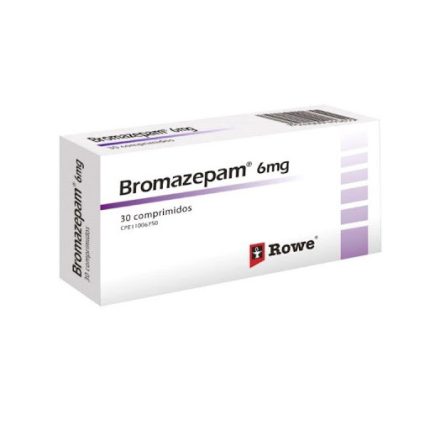
Bromazepam
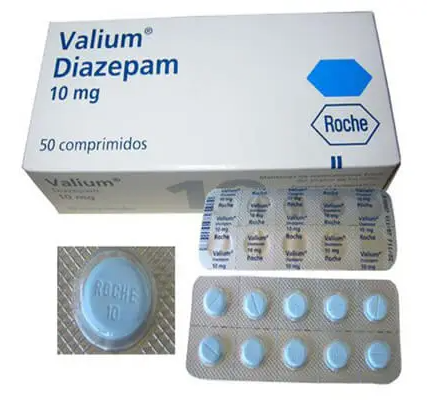
Buy Diazepam Online
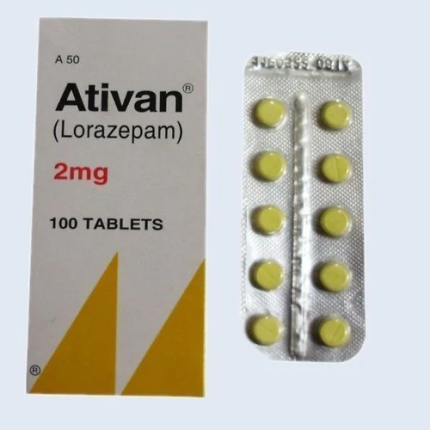
Buy Lorazepam-ativan 2mg

Dalmane

Flunitrazepam
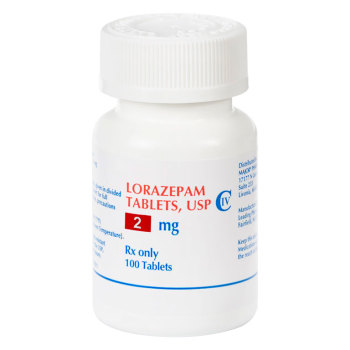
Lorazepam 2mg
Methadone 10 mg

Reviews
There are no reviews yet.