
Buy Chem-mist 2F-DCK spray 20%
Price range: €52.16 through €449.96
Certified ≥99% pure 2F-DCK for forensic toxicology and in vitro analytical research. Strictly laboratory use. Rapid, discreet EU shipping from Pharma Research .eu with full CoA.
| Quantity |
1 spray ,5 sprays ,10 sprays |
|---|
Buy 2F-DCK for Advanced Laboratory Research in Europe
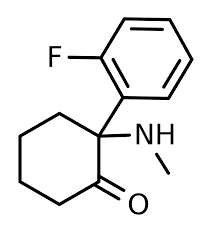
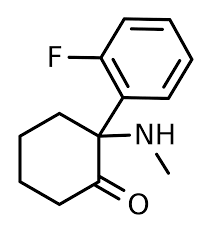
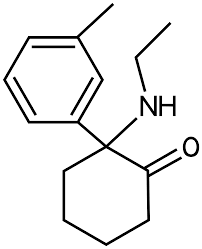
2F-DCK (2-Fluorodeschloroketamine; 2-(2-fluorophenyl)-2-(methylamino)cyclohexanone) represents a pharmacologically significant arylcyclohexylamine analogue of considerable interest to forensic toxicology laboratories and NMDA receptor research facilities across the European Union. As a fluorinated ketamine-related dissociative research compound featuring a cyclohexanone core with 2-fluorophenyl and methylamino substitutions, this substance serves as an essential analytical reference standard for mass spectral library development, method validation, and receptor-binding assay calibration in modern toxicological screening. Pharma Research .eu stands as the definitive EU source for this rigorously characterised material, supplying certified reference quantities exclusively to qualified laboratory professionals engaged in controlled in vitro investigation and forensic analytical work.npsresearchchem+1
Uncompromising Purity and Analytical Characterisation
Every batch of 2F-DCK supplied by Pharma Research .eu is guaranteed to meet a minimum purity specification of ≥99%, as verified through comprehensive high-performance liquid chromatography (HPLC) analysis coupled with orthogonal confirmation via gas chromatography–mass spectrometry (GC-MS) and, where applicable, nuclear magnetic resonance (NMR) spectroscopy. This exceptional purity threshold is non-negotiable for producing reproducible, publishable research outcomes in forensic toxicology and analytical chemistry, where even minor impurities can compromise mass spectral library matching, quantification accuracy, and method validation parameters.npsresearchchem
Each shipment is accompanied by a comprehensive Certificate of Analysis (CoA) documenting batch-specific analytical data, including retention time verification, peak purity assessment, and identity confirmation through mass spectral fragmentation pattern matching. The CoA further certifies that residual solvent analysis has been performed in accordance with ICH Q3C guidelines, with all detected solvents quantified well below permitted daily exposure limits. Heavy metal content is similarly verified to comply with ICH Q3D elemental impurities thresholds, ensuring the material meets the stringent requirements expected of analytical reference standards used in regulated laboratory environments.
2F-DCK is supplied as a neat crystalline solid or hydrochloride salt, presenting as an off-white to pale cream powder with consistent particle size distribution, facilitating accurate weighing and stock solution preparation. This physical form is verified through visual inspection and microscopic examination prior to release, ensuring the material conforms to specified appearance criteria.npsresearchchem
The significance of this purity level cannot be overstated when contrasted with lower-grade industrial reagents or uncertified materials available through non-specialist channels. In forensic toxicology applications, where 2F-DCK serves as a certified reference material (CRM) for LC-MS/MS and GC-MS method development, impurities at even 0.5% can generate confounding mass spectral peaks, compromise calibration curve linearity, and introduce systematic bias into quantitative results. For receptor-binding assays and in vitro functional studies investigating NMDA receptor antagonism, sub-standard purity introduces uncontrolled variables that invalidate structure-activity relationship conclusions and compromise the integrity of pharmacological data. Pharma Research .eu’s commitment to ≥99% purity ensures that European laboratory professionals can rely on this material as a traceable, fit-for-purpose analytical standard supporting defensible scientific conclusions.npsresearchchem+1
Principal Laboratory Applications and Research Methodologies
2F-DCK serves multiple critical functions in contemporary analytical and pharmacological research, all conducted strictly within controlled laboratory environments by qualified personnel operating under appropriate institutional frameworks. The following applications represent the primary use cases for this compound as an analytical reference standard and research reagent:
Chemical Synthesis and Reference Standard Applications: 2F-DCK functions as a high-purity building block and reference standard in the synthesis and characterisation of novel arylcyclohexylamine analogues and structurally related dissociative research compounds. Its well-defined molecular structure, incorporating the characteristic 2-(2-fluorophenyl)-2-(methylamino)cyclohexanone scaffold (the 2-fluoro analogue of deschloroketamine), makes it invaluable for reaction monitoring during the development of new NMDA receptor ligands. In coordination chemistry research, 2F-DCK serves as a model ligand for studying NMDA receptor interactions and sigma receptor binding, enabling researchers to map structure-activity relationships within the arylcyclohexylamine chemical space, particularly the impact of 2-fluoro substitution on receptor affinity relative to DCK (deschloroketamine), ketamine, and 2F-2′-Oxo-DCK. The compound’s documented pharmacological profile as a potent dissociative with NMDA receptor antagonism makes it particularly valuable for establishing detection limits and sensitivity thresholds in analytical method development.npsresearchchem+1
Analytical Toxicology and Forensic Chemistry: As an emerging novel psychoactive substance that entered recreational markets as a legal alternative to ketamine and DCK, 2F-DCK has become a priority analyte in forensic toxicology laboratories across Europe. This compound serves as a certified reference material for mass spectral library development in both LC-MS/MS and GC-MS platforms, enabling accurate identification in seized drug analysis, post-mortem toxicology casework, and biological fluid testing applications. The material is essential for proficiency testing schemes organised by forensic science quality assurance programmes, where laboratories must demonstrate competence in detecting and quantifying novel arylcyclohexylamine-class substances. Method validation for toxicological screenings requires authenticated reference standards to establish calibration curves, determine limits of detection and quantification, and verify selectivity against structurally related compounds including ketamine, norketamine, DCK (deschloroketamine), 2F-2′-Oxo-DCK, MXE, DMXE, 3-MeO-PCE, and other dissociative anaesthetics. The compound’s characteristic fragmentation ions and retention behaviour under standardised chromatographic conditions provide a reliable benchmark for method development and inter-laboratory comparison studies.npsresearchchem+1
Pharmacological In Vitro Assays: In controlled pharmacological research, 2F-DCK is employed as a research tool for investigating NMDA receptor antagonism and sigma receptor agonism. The compound serves as a reference ligand in receptor-binding assays using recombinant NMDA receptor subtypes expressed in cell lines and native tissue preparations, enabling investigation of arylcyclohexylamine interaction with the phencyclidine binding site within the NMDA receptor ion channel. Functional assays utilise authenticated 2F-DCK reference material to characterise inhibition of NMDA-evoked currents and NMDA-receptor-mediated excitatory synaptic transmission, with documented IC₅₀ values in the sub-millomolar range confirming potent NMDA receptor antagonism in ex vivo preparations. The 2-fluoro substitution provides a valuable structural probe for dissecting electronic and steric contributions to binding at the NMDA receptor phencyclidine site, with fluorine’s unique electronic properties influencing both potency and metabolic stability relative to non-fluorinated analogues. It is imperative to emphasise that all such applications are strictly limited to in vitro modelling systems and must never be extrapolated to suggest any form of human or animal administration.npsresearchchem+1
Quality Control and Method Verification: Analytical laboratories utilising 2F-DCK as an internal standard or system suitability marker ensure consistent instrument performance across analytical runs. The compound’s characteristic retention time and mass spectral signature provide a reliable benchmark for verifying chromatographic separation efficiency and mass spectrometer calibration in multi-analyte methods targeting novel psychoactive substances. In laboratories conducting broad-spectrum toxicology screening panels, 2F-DCK reference material supports ongoing verification of method performance, ensuring continued compliance with accreditation requirements under ISO/IEC 17025 and SWGDRUG guidelines for forensic drug analysis.
All applications described herein are exclusively for laboratory research purposes and must be conducted by qualified analytical chemists, biochemists, pharmacologists, or forensic toxicologists operating within appropriate institutional frameworks, including university research departments, contract research organisations (CROs), pharmaceutical R&D facilities, and government forensic laboratories.
Compound Stability, Optimal Storage, and Safe Handling Protocols
2F-DCK exhibits moderate stability under appropriate storage conditions but requires careful handling to preserve analytical integrity and ensure laboratory safety. As an arylcyclohexylamine derivative with a cyclohexanone core, secondary amine functionality, and 2-fluorophenyl substitution, the compound demonstrates susceptibility to degradation when exposed to moisture, light, and elevated temperatures, necessitating strict adherence to recommended storage protocols.npsresearchchem
Storage Requirements: The neat powder or hydrochloride salt form should be stored desiccated at -20°C for long-term preservation, with protection from light achieved through amber-coloured storage vessels or opaque secondary containment. Desiccated conditions are mandatory to prevent hygroscopic degradation and potential oxidation of the amine functionality, which can compromise both chemical purity and physical integrity of the material. For short-term storage during active use periods (up to 4 weeks), the material may be maintained at +4°C in a dedicated laboratory refrigerator, provided that relative humidity remains below 40% and the container is returned to -20°C storage between uses. Repeated freeze-thaw cycles should be minimised to prevent physical stress on the crystalline matrix and potential surface degradation.
Safe Handling Prerequisites: All handling of 2F-DCK reference material must occur within a certified chemical fume hood operating at appropriate face velocity (typically 0.4-0.6 m/s) to ensure adequate containment of any airborne particulates. Personnel must wear appropriate personal protective equipment, including nitrile gloves (changed frequently), safety goggles or a face shield, and a laboratory coat with long sleeves. Given the compound’s pharmacological activity as an NMDA receptor antagonist and dissociative anaesthetic, particular care must be exercised to prevent accidental inhalation of dust or transfer to mucous membranes. Work surfaces should be covered with absorbent bench pads and decontaminated following each handling session using appropriate solvent wipes.npsresearchchem+1
Solubility and Stock Solution Preparation: For in vitro analytical applications, 2F-DCK demonstrates good solubility in dimethyl sulfoxide (DMSO), methanol, anhydrous ethanol, and water (as the hydrochloride salt), enabling preparation of stock solutions at concentrations up to 10-50 mM depending on the solvent system. DMSO is the preferred solvent for preparing concentrated stock solutions intended for serial dilution into aqueous assay buffers, as it provides excellent solubility and stability. Stock solutions in DMSO should be prepared fresh or stored in single-use aliquots at -20°C to avoid repeated freeze-thaw degradation. When preparing working solutions, the final DMSO concentration in assay systems should not exceed 1% (v/v) to prevent solvent-induced effects on biological targets. Methanol serves as an alternative solvent for applications where DMSO compatibility is a concern, particularly in LC-MS/MS workflows where methanol is commonly used as the mobile phase organic modifier.npsresearchchem
Stability Considerations: 2F-DCK demonstrates reasonable stability in solid form when stored under recommended conditions, with minimal degradation observed over 12-month periods at -20°C in desiccated, light-protected containers. In solution, stability is more limited: DMSO stock solutions stored at -20°C remain stable for approximately 3 months, while working solutions in aqueous buffers should be prepared fresh and used within 24 hours. Light exposure accelerates degradation, particularly in solution, so all handling should occur under subdued lighting or using amber glassware where practical. The secondary amine functionality may undergo slow oxidation upon prolonged exposure to air, particularly in alkaline solutions, so pH-neutral or slightly acidic buffer conditions are recommended for aqueous working solutions. The 2-fluorophenyl group is comparatively robust to oxidative metabolism relative to non-fluorinated analogues, but standard antioxidant precautions remain advisable for extended storage of solutions.npsresearchchem
Technical Specifications and Molecular Attributes
Table 1: Technical specifications for 2F-DCK supplied by Pharma Research .eu. All values represent typical batch specifications; refer to batch-specific Certificate of Analysis for exact analytical data.
Pharma Research .eu: Your Premier EU Vendor for High-Purity Reagents
Pharma Research .eu transcends the conventional role of chemical supplier to serve as an indispensable partner in European scientific rigour and analytical excellence. Our commitment to quality extends beyond mere product provision: we operate under an ISO 9001-certified quality management system, ensuring that every batch of 2F-DCK and every reference material in our portfolio meets the exacting standards demanded by forensic laboratories, academic research institutions, and pharmaceutical R&D facilities across the European Union.
Our dedicated logistics infrastructure guarantees discreet, temperature-controlled shipping to all EU member states, preserving compound integrity from our warehouse to your laboratory bench. Understanding the critical nature of analytical reference standards in time-sensitive forensic casework and method validation projects, we maintain strategic inventory levels to ensure rapid dispatch—typically within 24 hours of order confirmation. All shipments comply with applicable EU regulations governing the distance sale of chemical substances, including comprehensive CLP (Classification, Labelling and Packaging) documentation and safety data sheets.
The Pharma Research .eu customer support team comprises individuals with genuine expertise in analytical chemistry and forensic toxicology, capable of engaging in meaningful technical discussions regarding specification requirements, certificate interpretation, and application-specific considerations. Whether you require clarification on CoA parameters, guidance on appropriate storage conditions for your laboratory environment, or assistance with procurement documentation for institutional purchasing systems, our specialists provide responsive, knowledgeable support.
We recognise that European laboratory professionals face increasing scrutiny regarding the provenance and quality of analytical reference materials used in forensic casework and regulated research. Pharma Research .eu addresses this imperative through comprehensive batch documentation, traceable analytical data, and unwavering commitment to supplying only materials that meet or exceed the specifications declared on our Certificates of Analysis. When your research demands certainty, when your analytical methods require authenticated standards, and when your professional reputation depends on defensible scientific conclusions—Pharma Research .eu stands ready as your trusted European partner in scientific advancement.


MAECENAS IACULIS
Vestibulum curae torquent diam diam commodo parturient penatibus nunc dui adipiscing convallis bulum parturient suspendisse parturient a.Parturient in parturient scelerisque nibh lectus quam a natoque adipiscing a vestibulum hendrerit et pharetra fames nunc natoque dui.
ADIPISCING CONVALLIS BULUM
- Vestibulum penatibus nunc dui adipiscing convallis bulum parturient suspendisse.
- Abitur parturient praesent lectus quam a natoque adipiscing a vestibulum hendre.
- Diam parturient dictumst parturient scelerisque nibh lectus.
Scelerisque adipiscing bibendum sem vestibulum et in a a a purus lectus faucibus lobortis tincidunt purus lectus nisl class eros.Condimentum a et ullamcorper dictumst mus et tristique elementum nam inceptos hac parturient scelerisque vestibulum amet elit ut volutpat.
Related products
Buy 2F-DCK 100MG Pellets
Buy 2F-DCK 50 MG Pellets
Buy 4fmph Online Fluoromethylphenidate)
Buy Chem-mist 4-HO-MET Spray 7%
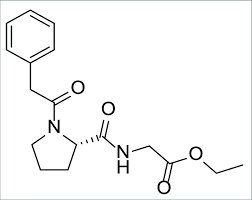
Buy Chem-mist NOOPEPT 1.5 MG Spray Bubblegum

Reviews
There are no reviews yet.