
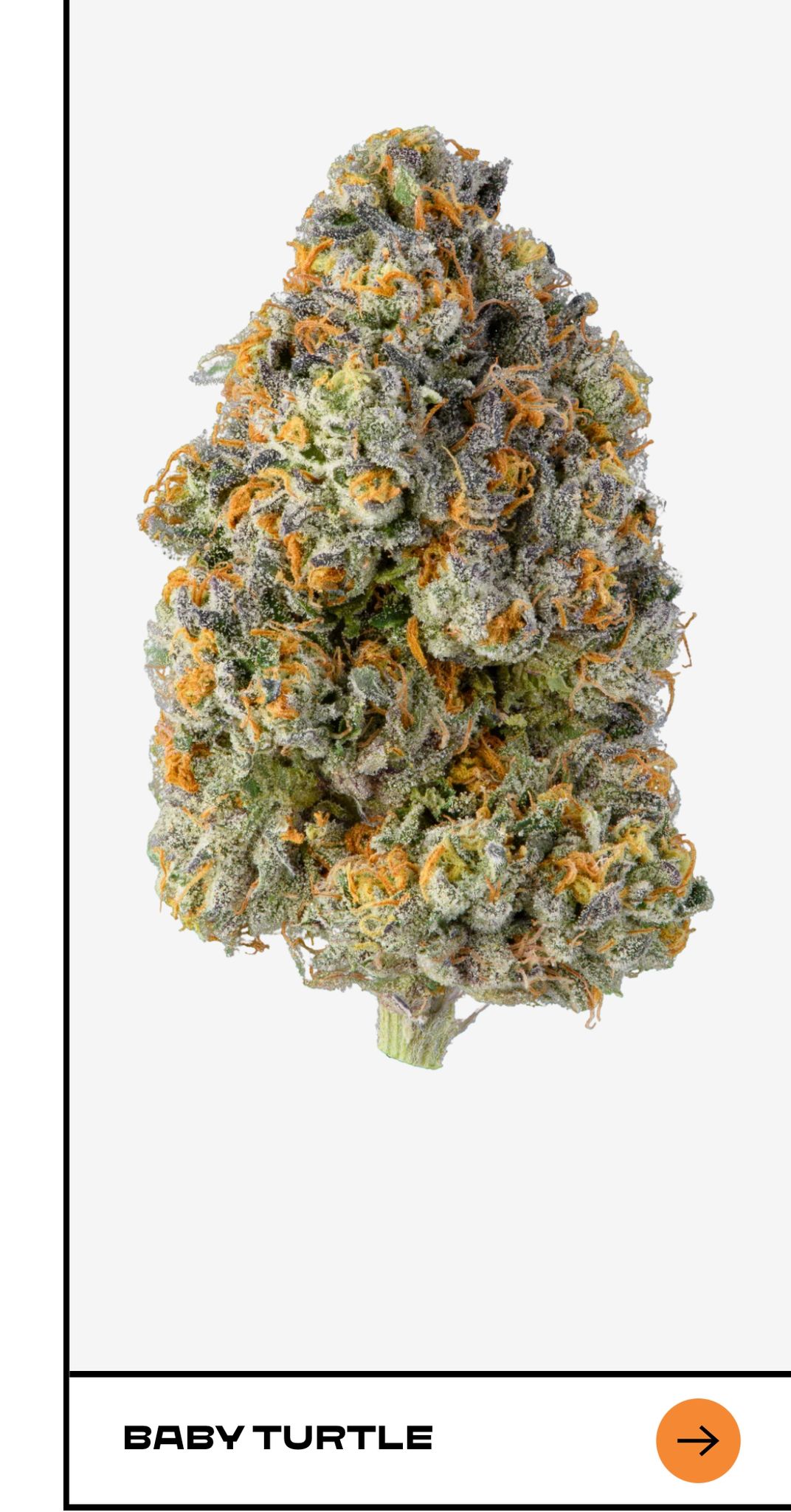
BABY TURTLE
Price range: £75.00 through £3,500.00
Baby turtles are juvenile reptiles requiring carefully controlled aquatic habitats, UVB lighting, and species-appropriate care. This guide covers biology, care needs, and responsible ownership.
| Weight |
10oz ,14g ,28g ,32oz |
|---|
Baby Turtle: Care Overview, Biology & Responsible Ownership Guide
Baby turtles are juvenile chelonians belonging to aquatic or semi-aquatic reptile species. They are widely studied in herpetology and are popular in educational and controlled captive environments. Proper care requires an understanding of species-specific needs, aquatic habitat design, and long-term welfare considerations, as many turtles can live for several decades.
Biological Overview
Baby turtles hatch with fully formed shells and instinctive survival behaviours. Common species kept in captivity include:
- Red-eared sliders (Trachemys scripta elegans)
- Musk turtles (Sternotherus spp.)
- Map turtles (Graptemys spp.)
Key biological traits:
- Cold-blooded reptiles (ectothermic metabolism)
- Shell composed of fused ribs and vertebrae
- Aquatic or semi-aquatic locomotion depending on species
Habitat Requirements
Proper enclosure design is critical for health and development:
- Aquatic environment: Clean, filtered water system with regular maintenance
- Basking area: Dry platform with UVB lighting for thermoregulation
- Temperature gradient: Warm basking zone and cooler water area
- Filtration: High-capacity filtration to maintain water quality
UVB exposure is essential for calcium metabolism and shell development.
Diet and Nutrition
Baby turtles are typically omnivorous, with dietary needs including:
- Protein sources (insects, small aquatic invertebrates, specialised pellets)
- Plant matter (depending on species maturity)
- Calcium supplementation for shell growth
Feeding frequency is higher in juveniles due to rapid growth rates.
Growth and Lifespan
- Rapid growth during juvenile stage
- Lifespan can range from 20–50+ years depending on species
- Size varies significantly between species and environment
Long-term care commitment is a major factor in responsible ownership.
Legal and Ethical Considerations (UK/EU)
- Some turtle species are regulated under wildlife and exotic pet laws
- Captive care must comply with animal welfare regulations
- Wild capture is discouraged and often illegal in many jurisdictions
- Responsible sourcing from licensed breeders is essential
Conservation Context
Certain turtle populations are threatened due to:
- Habitat loss
- Illegal wildlife trade
- Pollution and climate change
Captive care and education programs contribute to awareness and conservation efforts when conducted responsibly.


MAECENAS IACULIS
Vestibulum curae torquent diam diam commodo parturient penatibus nunc dui adipiscing convallis bulum parturient suspendisse parturient a.Parturient in parturient scelerisque nibh lectus quam a natoque adipiscing a vestibulum hendrerit et pharetra fames nunc natoque dui.
ADIPISCING CONVALLIS BULUM
- Vestibulum penatibus nunc dui adipiscing convallis bulum parturient suspendisse.
- Abitur parturient praesent lectus quam a natoque adipiscing a vestibulum hendre.
- Diam parturient dictumst parturient scelerisque nibh lectus.
Scelerisque adipiscing bibendum sem vestibulum et in a a a purus lectus faucibus lobortis tincidunt purus lectus nisl class eros.Condimentum a et ullamcorper dictumst mus et tristique elementum nam inceptos hac parturient scelerisque vestibulum amet elit ut volutpat.
Related products
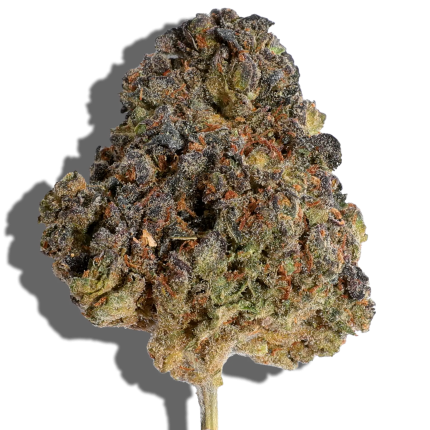
Cheery Gumballz

GOLD LABEL CAPSULES

New Cali just landed
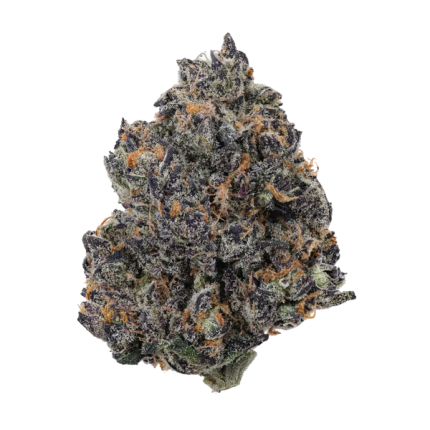
Organic Cherry Hulk Strain | Hybrid
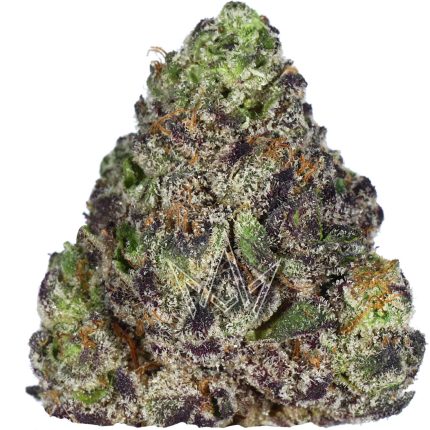
Runtz x jealousy

Reviews
There are no reviews yet.